Passive Link Building: The Data Study Autopilot System
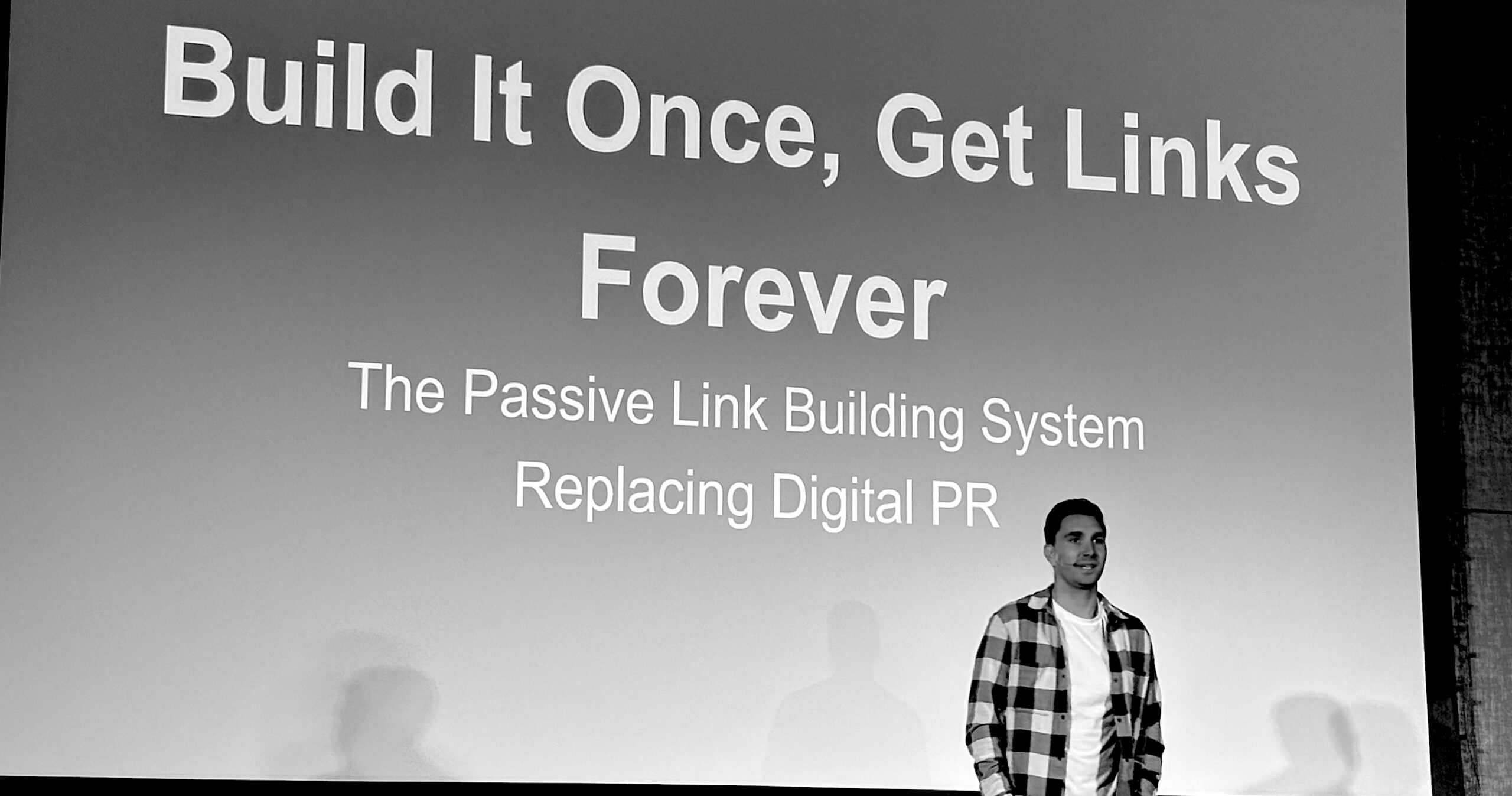
The Problem with Traditional Link Building Alex Horsman, founder of Biobrink, introduced a systematic strategy to build high-quality backlinks without manual outreach, achieving up to a 79% reduction in cost. He addressed the pain point that traditional link building is increasingly expensive and ti
The Problem with Traditional Link Building
Alex Horsman, founder of Biobrink, introduced a systematic strategy to build high-quality backlinks without manual outreach, achieving up to a 79% reduction in cost. He addressed the pain point that traditional link building is increasingly expensive and time-consuming.
- High Cost Benchmark: The average cost per high-quality link (DR40+, 10,000+ traffic) is $609, with digital PR agencies often charging around $750 per link.
- Quality Shift: SEO has shifted focus from link quantity to quality (E-E-A-T), making large link gaps prohibitively expensive to close via conventional means.
- The Solution: Create data studies that are hyper-specific and structured for easy citation, allowing journalists from outlets like Forbes, HubSpot, and the New York Times to link naturally.
Six Steps to Passive Link Acquisition
The strategy is built on reverse-engineering successful data providers (like Statista) and creating a system that turns content into a passive link magnet.
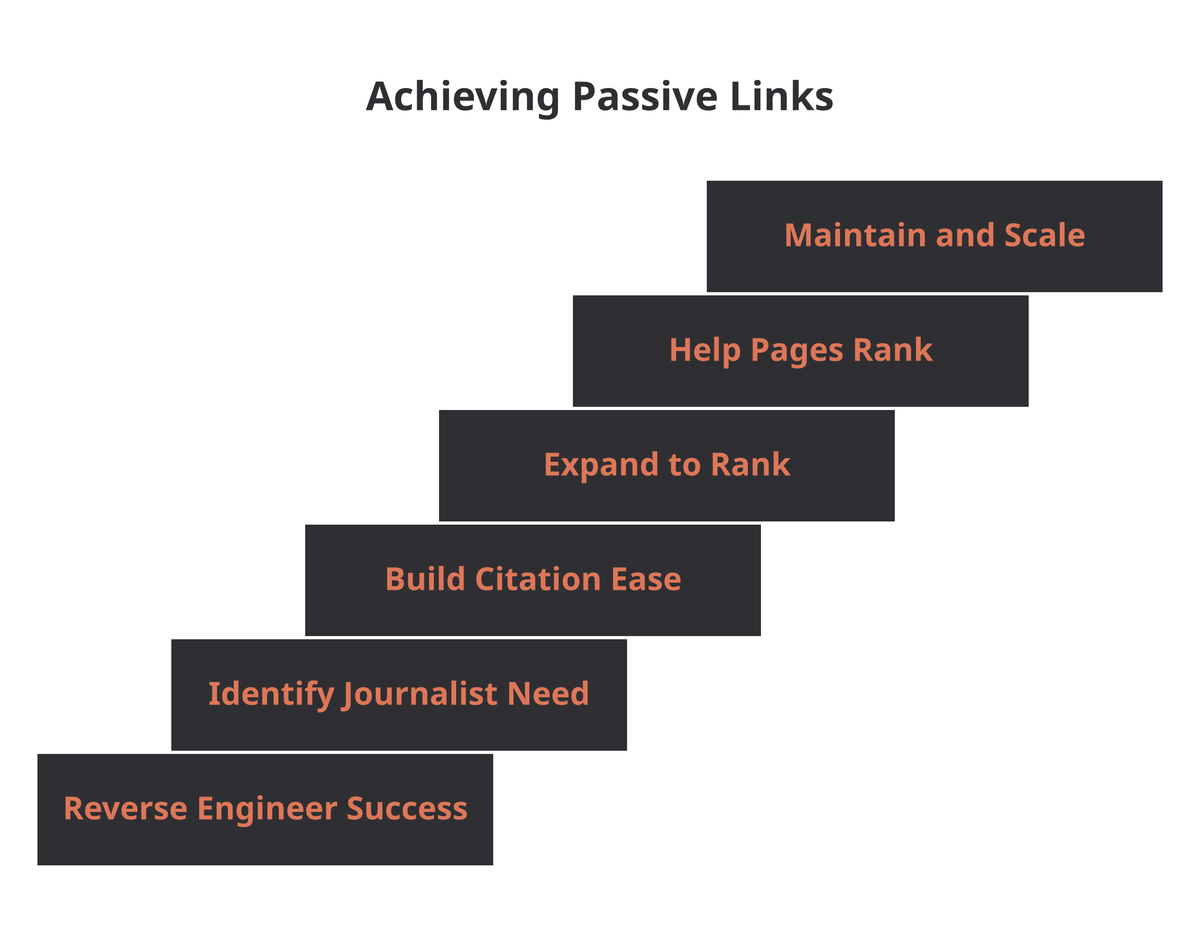
1. Reverse Engineer Success
- Find Linkable Assets: Use tools like Ahrefs to analyze competitor sites (or data aggregators like Statista) by viewing their Top Pages report, sorting by Referring Domains. A free bulk backlink checker does the same reverse-engineering when you do not have an Ahrefs seat.
- Validate Growth: Export pages and verify that their referring domain growth charts show a consistent, upward trend over at least two years, indicating passive acquisition rather than a one-off news spike.
- Prioritize: Select pages with the highest average monthly link acquisition rates.
2. Identify the Journalists’ Need
- Analyze Anchor Text: Review the anchor text of the backlinks pointing to the top-performing pages. This reveals the exact data points journalists consistently cite.
- Focus: Instead of creating a broad “statistics” page, create a hyper-specific article that directly answers the question behind that single, most-cited data point.
3. Build Trust and Citation Ease
Structure the page to maximize citation efficiency and credibility. This is the 80/20 focus area.
- Report Highlights: Place the key data point(s) prominently in a “Report Highlights” section above the fold.
- Four Trust Elements: Include these critical elements for E-E-A-T:
- Author Name with a substantive bio.
- “Last updated” date (for freshness).
- A Fact Check Indicator.
- A “Cite this research” button that provides the canonical URL (heatmaps showed 5% of visitors clicked this button).
4. Expand the Page to Rank
- Supporting Content: Use simple subheadings (H2s and H3s) to break down the main topic (e.g., by age, gender, region). Use tools like ChatGPT and Perplexity to efficiently source supporting data.
- Academic Style: The speaker advises against heavy infographics, favoring a simple, academic journal style with bullet points for trustworthiness.
5. Help the Pages Rank
Since the strategy relies on journalists finding the data organically, the pages must rank.
- Internal Linking: Add strategic internal links from the homepage, main navigation/footer, and other high-authority pages on the site.
- Seeding Backlinks: Send a few initial backlinks to the data study pages to accelerate ranking, as the passive links acquired later will justify this investment.
6. Maintain and Scale
- Freshness: Data-driven queries prioritize freshness. Schedule regular updates (quarterly/annually) to signal to Google that the content is current. Simple updates (Perplexity data, H1/title/date refresh) suffice.
- Scaling: Create more data studies based on the anchor text patterns and high monthly link velocity observed in your existing successful pages.
Results and Implementation
The passive system takes time to build momentum, but the results demonstrate a significant return on investment.
- Timeline: Significant results typically begin around Month 3–4 as the ranking flywheel effect takes hold.
- Case Study (1 Year):
- 31 data studies published.
- 647 total links earned (142 were high-quality).
- Total Investment: $22,000.
- Effective Cost Per Link: Reduced from $750 to $154 (a 79% reduction).
The team was hands-off for nine months after the initial setup, allowing them to focus on core business improvements. For new websites with low domain authority, the speaker suggested running Google Ads targeted at statistics keywords to accelerate initial discovery by journalists.
My Take: What This Means for Solo Publishers
The 79% cost reduction headline is impressive, but let me cut through the enterprise framing for what actually matters to a solo affiliate publisher.
First, the 2026 context: a Q1 2026 survey of 500 SEO professionals confirms digital PR — which is essentially what this data-study approach is — has become the dominant link-building tactic. Meanwhile, 94% of content still earns zero external links (Backlinko Content Study). Pages with unique statistics now attract 2.5x more backlinks than standard editorial posts, and that gap is widening as AI-generated filler floods the web.
What to actually implement: Start with one data study. Not 31 like the case study — just one. Pick the highest-traffic keyword in your niche that answers a “how many” or “what percentage” question. Aggregate the answer into a citable fact. A single hyper-specific stat page can earn passive links for years from roundup articles and journalists hunting for data. That’s a real asset, not a blog post.
The “Cite this research” button is the thing to copy first. Minimal dev work, and the 5% visitor click-through from heatmap data means journalists are actively hunting for a clean copy-paste citation. Make it easy. This pairs naturally with a data-driven content strategy where your statistics pages feed the editorial calendar while pulling in links you’d otherwise pay $600+ each for.
What to ignore: The Google Ads seeding for brand-new sites is real, but assess it against your affiliate margins first. The same budget might go further through targeted link-building placements on niche-relevant sites while organic traction builds. Skip the infographic-heavy format too — a clean, academic-looking layout with a prominent “Report Highlights” box outperforms visual complexity for journalist citation.
The freshness flywheel is the real unlock. A quarterly Perplexity-assisted data refresh takes 30 minutes and resets the “last updated” signal — critical for data-hungry queries. Stack this with systematic content re-optimization across your site and you get a compounding asset. If you’re also running paid alongside affiliate content, the PPC-for-affiliates framework applies directly to the Google Ads seeding step — keep bids tight and target statistics keywords narrowly.
The link-building services market hit $2.1 billion in 2026. A system that turns your own content into a link magnet beats paying that toll — especially at solo publisher scale. Worth reading alongside this: Peter Macinkovic’s affiliate SEO strategy framework covers how to prioritize link acquisition within a broader affiliate site growth plan.
Sources: Alex Horsman’s passive link-building methodology (Biobrink); Reporter Outreach State of Link Building 2026 (Q1 2026, 500 SEO professionals); Backlinko Content Study; AutoSEO 2026 backlink data. Related reading on RankingHacks: Link Building Strategies for 2024, Data-Driven SEO Content Strategy.