PPC for Affiliates: How to Run Profitable Campaigns
The Pivot to Predictable Paid Traffic Summary Niels Zee, a high-earning affiliate, shared his strategy for pivoting from SEO to Google Ads after a severe algorithm update decimated his SEO traffic by 95% in September 2023. He now manages a portfolio generating approximately €2 million annually in co
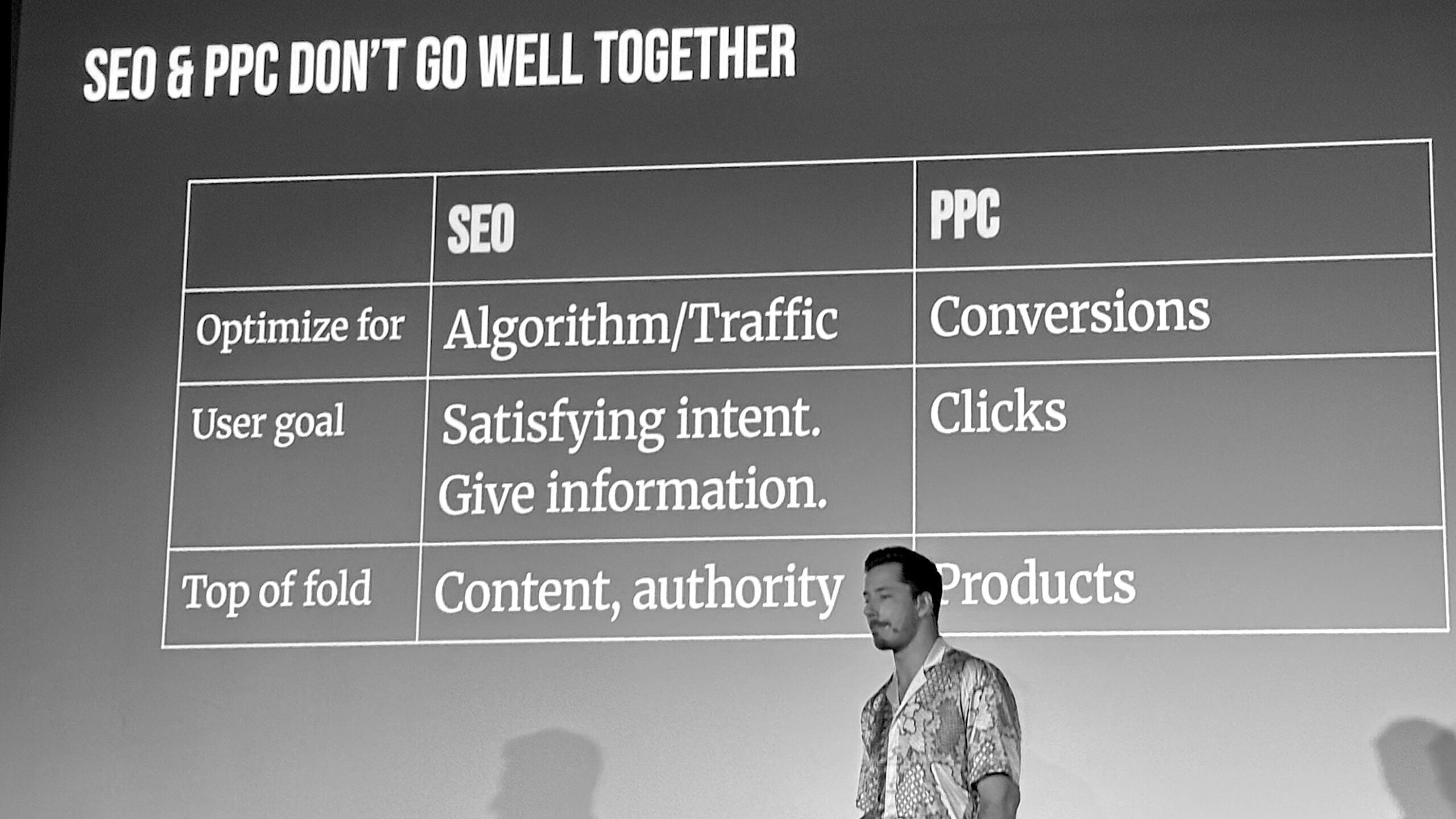
The Pivot to Predictable Paid Traffic
Summary
Niels Zee, a high-earning affiliate, shared his strategy for pivoting from SEO to Google Ads after a severe algorithm update decimated his SEO traffic by 95% in September 2023. He now manages a portfolio generating approximately €2 million annually in commissions and advocates working with Google through paid media for a more predictable, penalty-proof revenue channel. His playbook covers transforming SEO assets into conversion-focused PPC landing pages, implementing a robust Google Ads setup, and maximizing profits through strategic deal negotiation.
Conversion-Focused Landing Pages
The fundamental difference between SEO and Google Ads pages is intent: Ads visitors click for immediate answers and tolerate high commercial intent.
Key Optimization Tactics
- Prioritize Above-the-Fold: The speaker’s data shows 80% of clicks occur in the first 20% of the page. Skip lengthy introductions and immediately present the best offers.
- Conversion Benchmark: Aim for at least 50% of visitors to click through to affiliate offers.
- UX Levers:
- Use larger, brighter CTAs (Call-to-Action buttons).
- Negotiate and incorporate expiring discount codes to create urgency.
- Add social proof (e.g., customer counts) near CTA sections.
Identifying Valuable Offers
Prioritize offers based on Earnings Per Click (EPC), not just commission percentage.
- Calculation: EPC = Commissions / Clicks.
- Placement: Place the highest-EPC products (Most Valuable Products or MVPs) prominently, as heatmaps confirm the top of comparison tables receives the majority of views.
- Sub-Affiliation: Consider becoming a sub-affiliate to gain access to superior commission rates if your volume is insufficient for direct negotiation.
Google Ads Setup and Scaling
1. Crucial Tracking Implementation
Tracking is the most vital step. You must pass conversions and conversion values back to Google Ads to leverage value-based bidding.
- Solution: Use tracking solutions (e.g. WeCanTrack) to integrate affiliate network sales data directly with Google Ads.
- Goal: Feed Google data so it can find users likely to generate the highest revenue.
2. Campaign Structure and Bidding
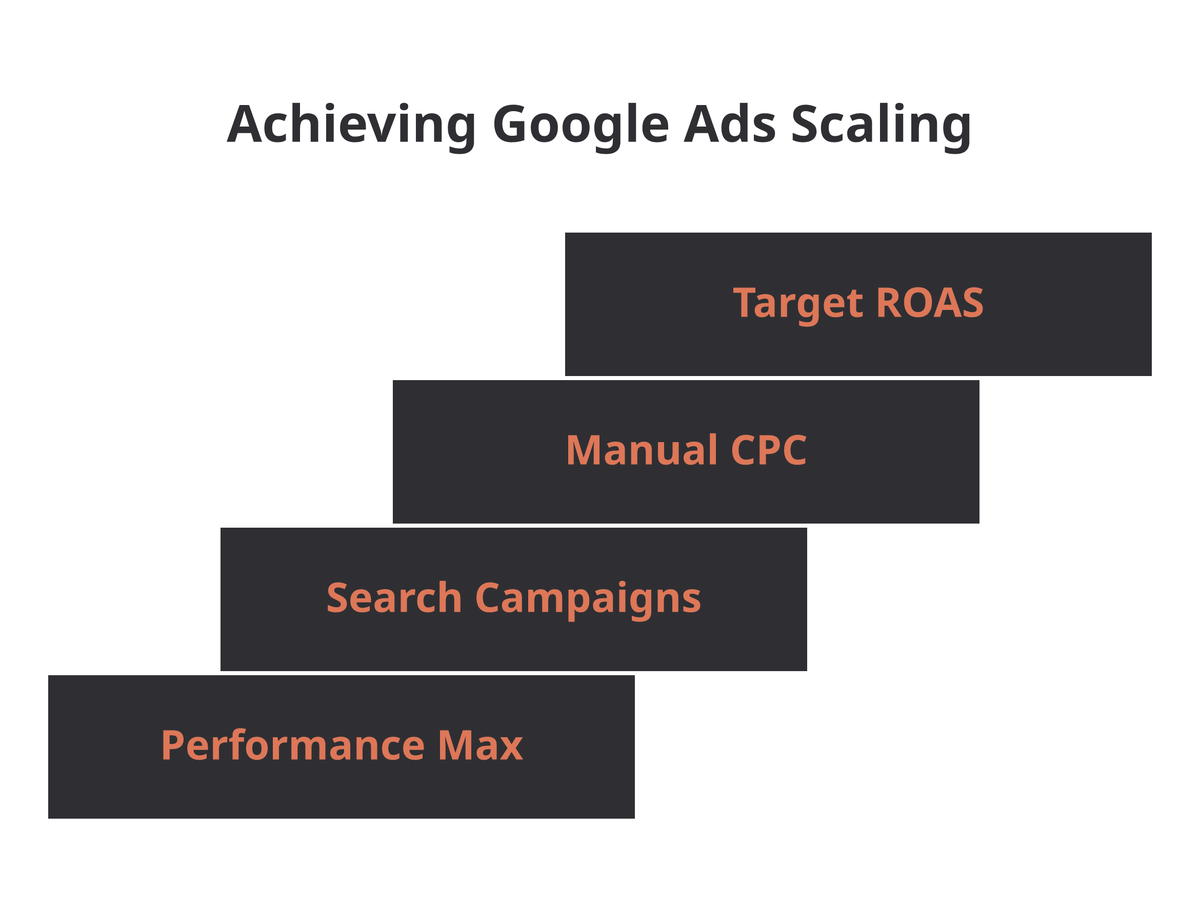
| Step | Campaign Type / Strategy | Rationale |
|---|---|---|
| Start | Performance Max (PMAX) | Low setup effort; wide reach across Google surfaces for initial data collection. |
| Control | Search Campaigns (1 URL = 1 Campaign/Ad Group) | Allows for precise control over bids and per-URL profitability. Focus on bottom-of-funnel keywords (harvested from Google Search Console). |
| Bidding | Initial Bid: Manual CPC based on average earnings per visitor for that page. | Prevents initial losses while the campaign is learning. |
| Scaling | Once $\ge$ 13 conversions/month are accrued, switch to Target ROAS bidding. | Enables Google to optimize for maximum return on ad spend. |
Caution: Avoid “Maximize Clicks” bidding; the speaker wasted €15,000 using this volume-first strategy. Only use Manual CPC, Target CPA, or Target ROAS.
3. Guardrails and Optimization
- Budgeting: Start low and gradually increase spend only after validating ROAS at each tier.
- Exclusions: Exclude brand keywords (unless approved), physical shop terms, and low-intent queries.
- Cannibalization: Be cautious of running ads for terms where you already rank high organically (#1-2), as this can reduce overall CTR and harm organic rankings.
- Fraud Mitigation: Implement click-fraud tools (like ClickCease) to block bot traffic, which can improve ROI by an average of 14%.
- Google Reps: Treat advice from Google account managers with caution, as their incentive is to increase your spending, not necessarily your profit.
Maximizing Profit Through Deal Negotiation
Standard commission rates can often be tripled through effective negotiation with affiliate managers.
Five Levers for Negotiation
- Lead with Data: Present your page’s revenue potential and slot value distribution (e.g., “Our top spot generates 50% of page revenue”).
- Competitive Advantage: Offer advantageous placement above rivals to create a bidding incentive for a higher rate.
- Show Ambition: Share concrete plans for ad spend and content growth to justify an elevated rate.
- Offer Secondary Value: Provide additional promotion (email blasts, social media mentions) in exchange for a permanent commission bump.
- Provide Insights: Share valuable Conversion Rate Optimization (CRO) advice or competitive intelligence to build reciprocity and help the manager look good internally.
My Take: What This Means for Solo Publishers
Niels’s playbook is solid — but most of us aren’t managing €2M in affiliate commissions, which changes the math considerably. Here’s what I’d actually take from this for a one-person affiliate site.
The ROI vs. ROAS trap is the biggest thing to internalize. In 2026’s high-CPC environment, you can hit a 400% ROAS and still be losing money once you factor in time and opportunity cost. ROAS tells you your campaign is working. ROI tells you if the business is working. Run both numbers before you scale anything.
Tracking is prerequisite, not optional. The WeCanTrack-style setup Niels describes has to come before anything else. Without passing conversion values back to Google, you cannot use value-based bidding — you’re just guessing. Any solo publisher tempted to “run it cheap and see” will pay for that lesson with the first $500. The panel in From Organic to Paid covered exactly this cost of underprepared PPC entry — worth reading if you’re on the fence about setup complexity.
Burn the €15,000 “Maximize Clicks” lesson into memory. That bidding strategy optimizes for volume, not value. Manual CPC until you hit 13 conversions per month, then Target ROAS. Jumping ahead skips the learning phase Google needs to do its job, and it gets expensive fast.
Don’t go full pivot unless you’re forced to. Niels’s 95% SEO drop forced his hand. Most people don’t face that. PPC actually converts better when organic presence backs the same URLs — the trust signal transfers. If you’re thinking about layering paid on top of what’s already working, the Traffic Diversification Playbook has a practical framework for channel mix without abandoning SEO entirely.
One compounding benefit worth calling out: paid traffic gives you real conversion data that makes the commission negotiation tactics above far more persuasive. Walk into that conversation with hard numbers — click volume, EPC, conversion rate — rather than projections. That’s where affiliate SEO strategy and paid start to reinforce each other. Do it right and you’ve also built a more defensible, sellable asset — something the portfolio management playbook covers in depth.
Start simple: one search campaign, your best-converting URL, Manual CPC. Treat the first $300 as tuition, not waste.
Sources: PPC ROI analysis and CPC benchmarks from CodexGuru (April 2026); paid traffic source rankings from CPV Lab (April 2026). Related reading on RankingHacks: From Organic to Paid, The Traffic Diversification Playbook, SEO Strategy for Affiliates.