Kasra Dash’s AI-Enhanced SEO Mastery: Key Strategies from the SEO Reborn Summit for Dominating Search Rankings
In a world where digital presence is synonymous with brand success, mastering search engine optimization (SEO) is more crucial than ever. At the recent SEO Reborn Summit, Kasra Dash, a seasoned director at Promo SEO, shared invaluable strategies for scaling websites and enhancing their search engine

In a world where digital presence is synonymous with brand success, mastering search engine optimization (SEO) is more crucial than ever. At the recent SEO Reborn Summit, Kasra Dash, a seasoned director at Promo SEO, shared invaluable strategies for scaling websites and enhancing their search engine visibility through artificial intelligence (AI). This blog post delves into the essence of his presentation, offering a comprehensive guide on leveraging AI for SEO, from building topical and domain authority to establishing a credible online presence.
Embracing Topical Authority through AI-Driven Content Creation
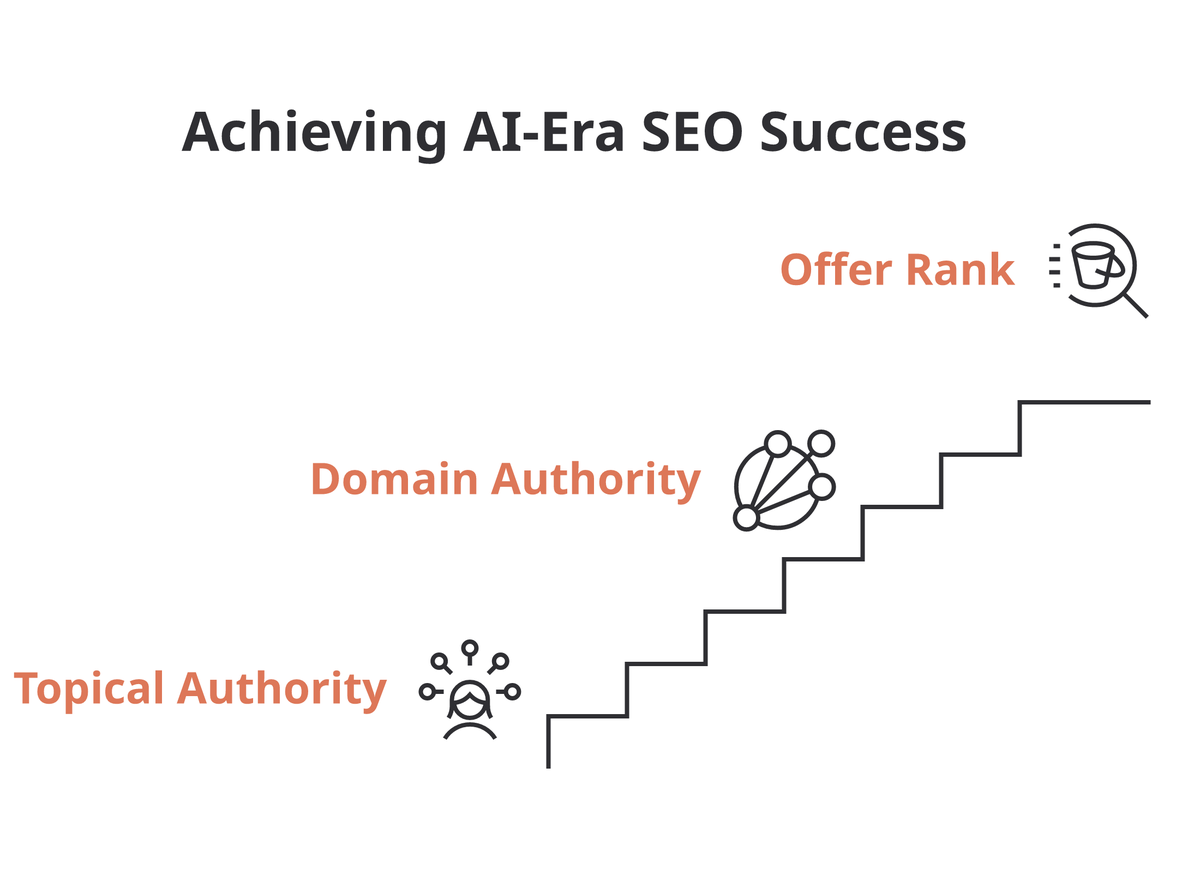
Topical authority is pivotal in signaling to search engines that your website is a go-to resource for specific subjects. Dash elucidates how creating a wide range of high-quality content, tailored to different stages of the marketing funnel, can establish this authority. He recommends harnessing AI tools like Google Bard for insightful keyword research and content ideation, ensuring coverage from awareness (top-of-the-funnel) to decision-making (bottom-of-the-funnel) stages.
Moreover, Dash advises a proactive approach to content strategy by analyzing competitor websites. Scrapping their sitemaps for article titles and themes can unearth gaps and opportunities for your content to fill, further reinforced by AI tools like AutoBlogging for efficient content generation.
Boosting Domain Authority with Strategic Backlink Acquisition
Domain authority, a metric that predicts a website’s ability to rank in search engines, is significantly bolstered by backlinks from authoritative sources. Dash shares a strategic approach to earning these valuable links through the creation of compelling, well-researched articles. He suggests focusing on topics with a high potential for media coverage, which naturally attracts backlinks from reputable platforms.
Internal linking was also highlighted as a critical technique for distributing link equity throughout your site, enhancing the SEO strength of key pages and supporting overall domain authority.
Enhancing Offer Rank with EAT Principles
The concept of “Offer Rank”, closely related to the EAT (Expertise, Authoritativeness, and Trustworthiness) criteria, is especially critical for websites in sensitive fields like finance, crypto, and health. Dash emphasizes the importance of showcasing the expertise and credibility of your website’s authors or experts. This can be achieved by creating detailed author bios, securing mentions and links on external websites, engaging in podcasts and videos, and maintaining transparent contact information. These actions not only bolster your site’s EAT score but also foster trust with your audience.
My Take: What This Means for Solo Publishers
Kasra Dash has grown well beyond his Promo SEO days — he now runs The Masterminders Conference and mySEO App, and is consistently ranked among the top 10 SEO experts globally. That context matters because the strategies he outlined at SEO Reborn have only gotten more relevant as AI-driven search reshapes how Google decides what to rank.
For solo publishers and affiliate sites, here’s what’s actually worth your time from this playbook:
Topical clustering is non-negotiable. If you’re still publishing random articles hoping something ranks, this is your wake-up call. Building topical authority through LLM-driven SEO signals is how solo sites compete with media brands that have 10x your domain authority. Pick 3–5 topic clusters and go deep — not broad. The funnel-stage coverage angle (top/middle/bottom) is practically a checklist for your next content sprint.
Internal linking is your highest-ROI 30 minutes this week. It gets mentioned offhand in the original talk, but it’s the lever solo publishers underuse most. Every authority piece should pass equity to your money pages. The passive link building via data studies approach pairs well here: earn links externally, then route that authority internally via deliberate anchor text.
EEAT is no longer just for YMYL sites. Tom Winter’s work on auditing EEAT with LLMs confirms what Kasra was flagging back in 2024: author credibility signals matter across all verticals now, not just crypto and health. Add a real author bio, get at least one external mention — it’s free leverage most solo publishers are ignoring.
What to skip: The AutoBlogging and competitor sitemap scraping angle. Mass AI-generated content from competitor outlines has become a Google filter, not a shortcut. Your effort is better spent on context density — one deeply comprehensive piece beats ten thin cluster articles in today’s ranking environment.
The Google Bard he referenced has since become Gemini. The tools change; the underlying logic — topical depth, earned links, credible authors — holds. That’s what makes this framework worth revisiting two years on.
Actionable Steps to Amplify Your SEO Efforts with AI
Dash concluded his presentation with concrete action items to put these strategies into practice:
- Content Ideation with AI: Use prompts in Google Bard like “I need to rank for [keyword], give me some top of the funnel, middle funnel, and bottom of the funnel supporting articles” to generate comprehensive keyword and content strategies across the marketing funnel.
- Competitor Content Analysis: Extract titles from competitor websites’ sitemaps as inspiration for your content creation, leveraging AI tools for efficiency.
- Backlink Acquisition through Quality Content: Focus on producing well-researched, media-worthy articles on topics like “Where the most crypto millionaires stay in the world” to attract backlinks from authoritative sources.
- Internal Linking: Ensure to link internally from your high-quality articles to crucial money pages, thereby distributing link equity effectively.
- Establishing a Strong Online Presence: Amplify the credibility of your site’s authors or experts by creating detailed bios, securing external mentions and links, participating in digital media formats, and ensuring accessibility through clear contact details.
By adopting these strategies, businesses can harness the power of AI to elevate their SEO game, driving more traffic, enhancing visibility, and ultimately achieving greater online success.
Sources: Kasra Dash presentation at SEO Reborn Summit (2024); kasradash.com. Related reading on RankingHacks: LLM-Driven SEO, Link Building Strategies for 2024, Context Density SEO Framework.