How Blogger Robert Schrader Makes $10k/Month Traveling in China
Discover how Robert Schrader turned his passion for travel into a $10k/month blogging business by leveraging diverse income streams and personal experiences.

Introduction
In a recent episode of the Niche Pursuits Podcast, Robert Schrader, the founder of Leave Your Daily Hell and several other niche travel sites, shared his journey from an English teacher in China to a successful travel blogger and content creator. Robert discussed his approach to content creation, monetization strategies, productivity tips, and the rationale behind managing multiple niche travel sites. His insights provide valuable lessons for aspiring bloggers and content creators looking to diversify their income streams and adapt to changes in the industry.
Robert’s Background and Journey into Travel Blogging
Robert Schrader’s adventure began in 2009 when he moved to China to teach English after the Great Recession. His initial blog, Leave Your Daily Hell, started as a platform to document his daily life in Shanghai. Over time, as he gained more online writing gigs, Robert transitioned his blog into a travel website. A significant turning point came in 2010 when he attended a blogging contest in Thailand, which inspired him to pursue travel blogging as a full-time career.
Initial Monetization and Content Strategy
Robert’s monetization journey started with sponsored posts, a common practice among travel bloggers at the time. He also launched a travel planning service, leveraging his expertise to help clients plan trips, particularly to Japan. His content strategy focused on creating concise, approximately 1,000-word articles that offered overviews of destinations. This approach complemented his travel planning services by providing readers with quick, informative content rather than lengthy guides.
Current Status and Diversification
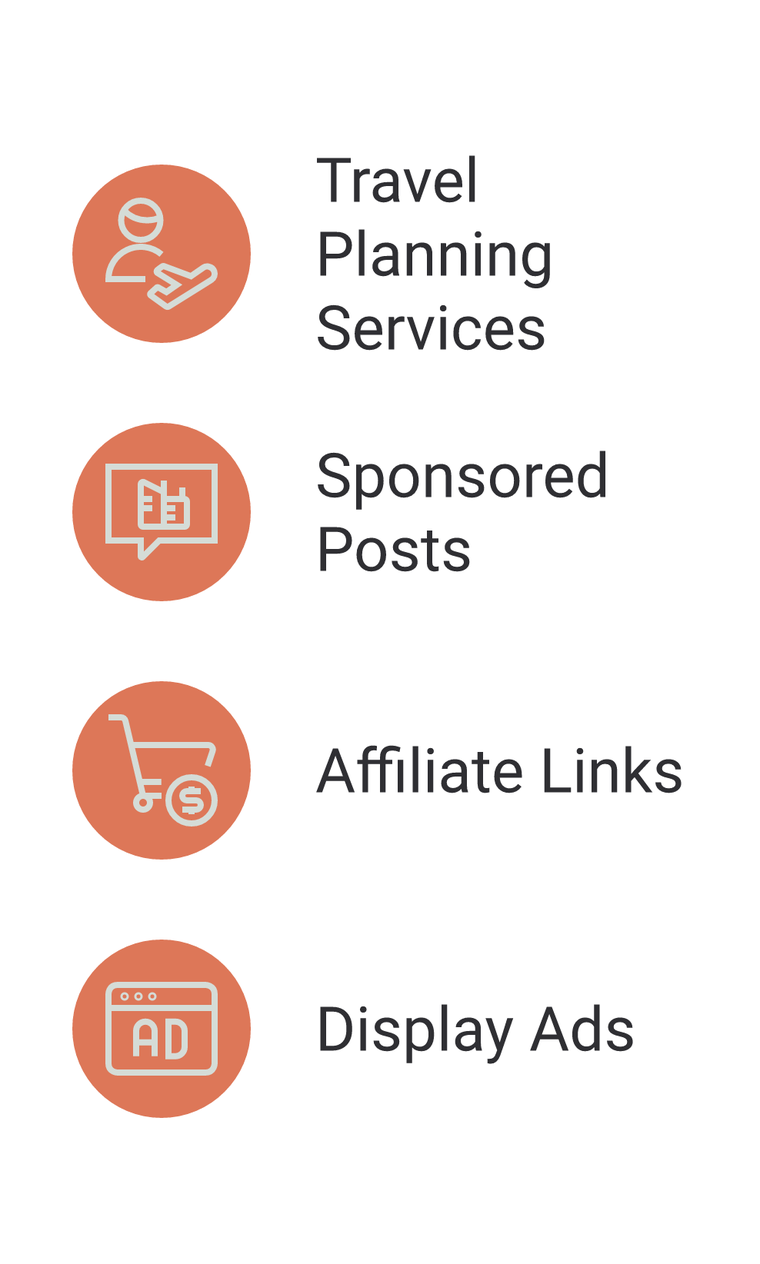
Today, Robert manages four travel websites: Leave Your Daily Hell, Japan Starts Here, Thailand Starts Here, and Taiwan Starts Here. Collectively, these sites receive around half a million page views per month. His income streams are diverse, including travel planning services, sponsored posts, affiliate links, and display advertising through Mediavine. This diversification has been crucial for Robert’s success, providing resilience against Google algorithm updates and other industry changes.
Content Approach and Productivity Tips
Robert’s content follows a structured format, typically featuring a three-paragraph introduction, a main section with five short paragraphs, an FAQ section, and a conclusion. He plans his travel based on seasons and personal interests rather than relying solely on keyword research. For productivity, Robert emphasizes the importance of scheduling, discipline, and maintaining a clear separation between work and personal time. Notably, he writes his articles himself, steering clear of AI tools to ensure authenticity and personal touch.
Handling Multiple Websites and Future Plans
Robert’s decision to launch Japan Starts Here was strategically timed to capitalize on the anticipated tourism boom for the 2020 Olympics. His other niche sites developed organically as he explored different countries. Managing multiple sites has diversified his creative output and mitigated the risks associated with Google algorithm updates. Looking ahead, Robert is committed to never returning to a traditional job and continues to adapt to the evolving landscape of travel blogging.
My Take: What This Means for Solo Publishers
Robert’s story is older than it looks on the surface — but 2026 data backs up everything he’s doing. Travel Massive’s analysis of 1,000+ bloggers confirms the pattern: the ones who hurt most were single-income, display-ad-dependent sites hit by AI Overviews. Robert’s four-site, four-revenue-stream setup is exactly the kind of resilience that survived. Travel blogs that kept a healthy mix of CPM ads, sponsored content, and affiliate income in early 2026 were still pulling $5–7k+/month while pure ad plays tanked.
The multi-site portfolio angle is underrated. Most solo publishers treat owning multiple niche sites as diversification of traffic, but Robert uses it as diversification of creativity — each site stays fresh because he’s genuinely interested in the destination. That’s what prevents the slow rot of outsourced or AI-generated filler. If you’re thinking about building and scaling digital assets, consider whether a niche cluster (like his “X Starts Here” series) gives you more leverage than a collection of unrelated sites — each property reinforces the others’ authority and simplifies content planning. The portfolio management mindset from professional poker applies directly: each site has its own risk/reward profile, and you size your effort accordingly.
Short-form evergreen wins in travel specifically. His ~1,000-word destination overviews are a deliberate counter to the bloated 4,000-word guides that chased keyword density. In 2026, with AI Overviews eating informational queries, leaner content that matches intent — planning a trip, not learning everything about Japan — holds up better. This connects directly to building a systematic content reoptimization framework: knowing which posts to slim down is as valuable as knowing which to expand. Don’t be afraid to cut.
Don’t sleep on the travel planning service. It’s the income stream nobody talks about when they recap his story, but it’s the one that survives any Google update. For affiliate publishers, the equivalent is building a service layer that converts SEO traffic into direct client revenue — zero algorithm dependency. And for the sites that are SEO-dependent, the play is traffic diversification treated as a portfolio decision: layer in email, social, and direct before you need them, not after a Google update forces your hand. Pair that with passive link-building systems on your core properties and you’re compounding authority without constant manual outreach.
What to ignore: The “avoid AI tools” stance is personal preference, not a ranking signal. Authenticity matters; the writing tool you use doesn’t. Use AI where it saves time, write yourself where your voice is the product.
Actionable Takeaways
- Create a Schedule and Hold Yourself Accountable: Allocate specific time for work and personal activities to maintain productivity and balance.
- Diversify Income Streams and Creative Output: Mitigate risks and adapt to industry changes by having multiple revenue sources and creative outlets.
- Focus on Evergreen Content: Create concise, evergreen content based on personal experiences and expertise, rather than relying solely on keyword research.
- Leverage Personal Interests and Unique Perspectives: Plan travel and generate content ideas based on seasons, personal interests, and unique perspectives.
- Continuously Update Existing Content: Revisit destinations to provide fresh perspectives and better visuals, ensuring content remains relevant and engaging.
Conclusion
Robert Schrader’s journey from an English teacher in China to a successful travel blogger is a testament to the power of passion, discipline, and adaptability. By diversifying his income streams, focusing on evergreen content, and leveraging his personal experiences, Robert has built a resilient and thriving travel blogging business. His story offers valuable lessons for anyone looking to succeed in the ever-changing world of content creation and travel blogging.
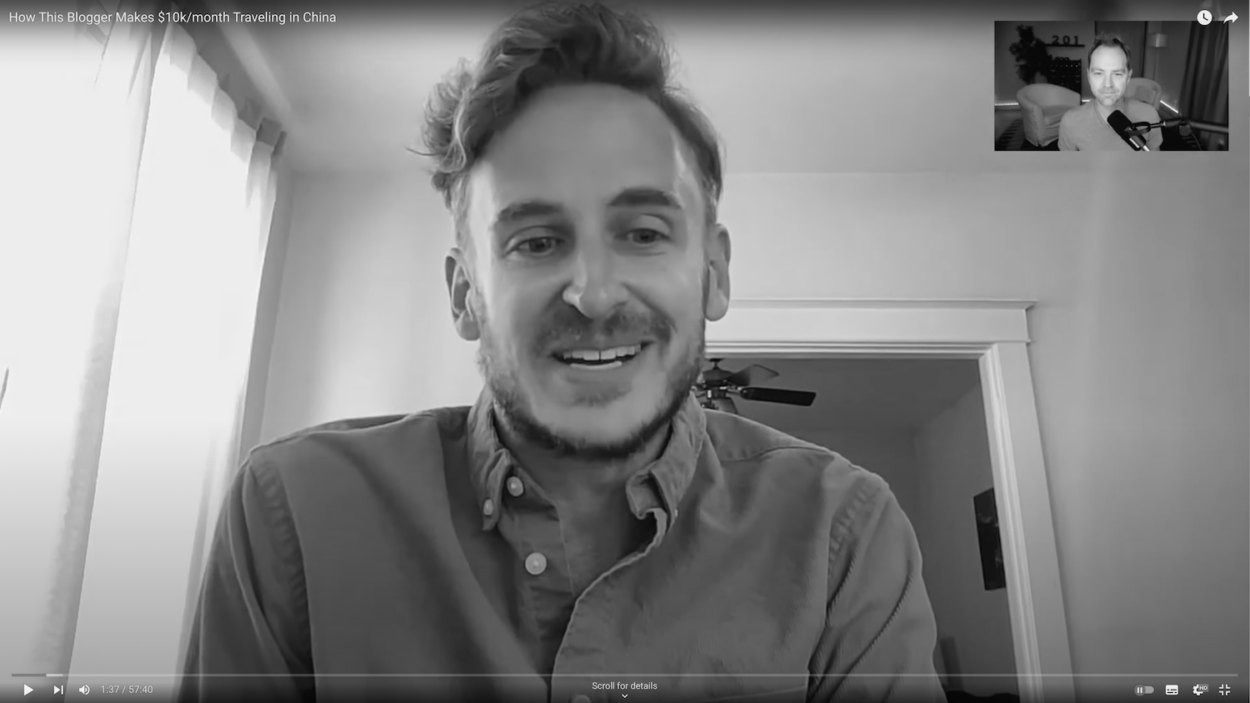
You can watch “How This Blogger Makes $10k/month Traveling in China” on YouTube.